Food · 11 min read
Growing and Preserving Food Off Grid: A Practical Starting Plan
Plan a resilient food system around your climate, water and time, then grow, preserve and store food without trying to do everything in the first season.
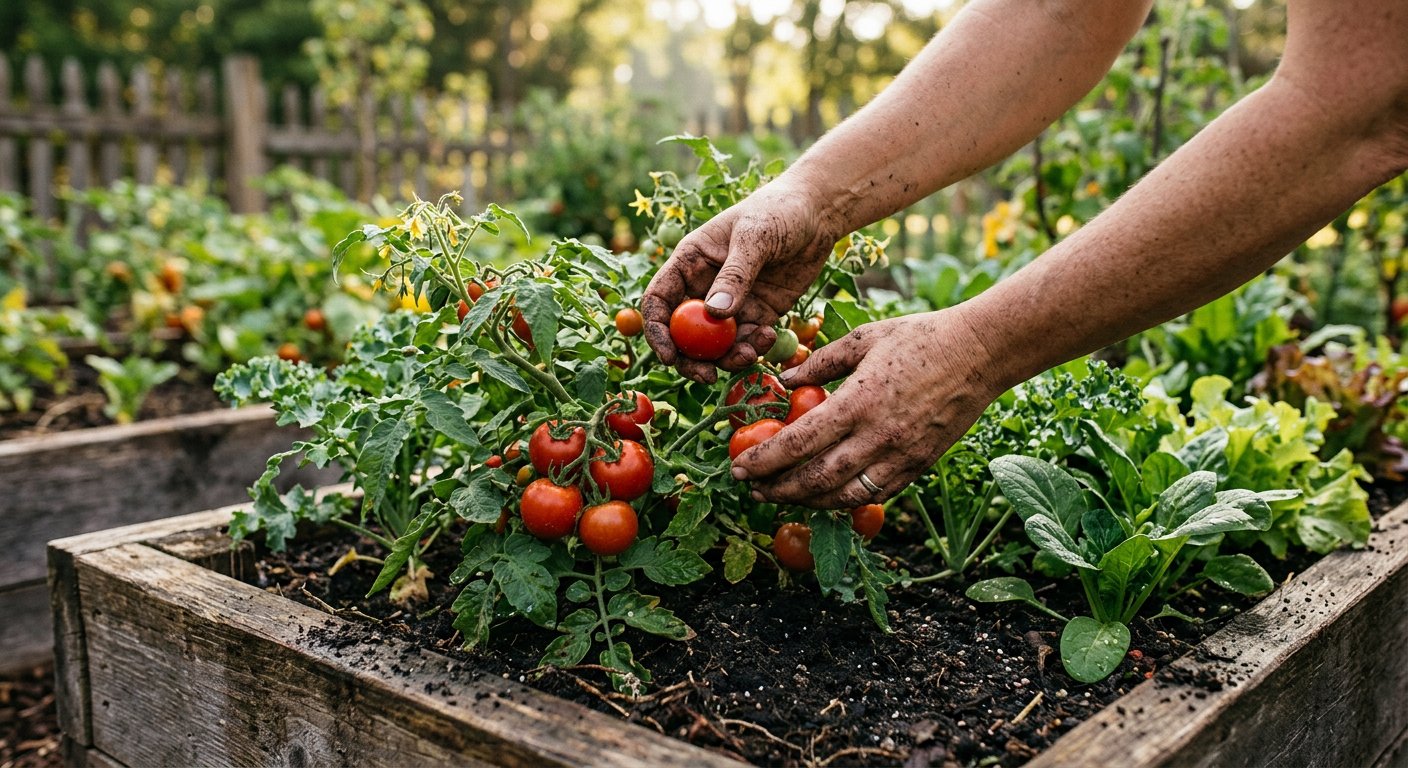
Food self-reliance is not a pass-or-fail test. It is a collection of systems that get stronger with each season: soil, seeds, water, practical growing skills, preserved food and a pantry you actually rotate. Start with what your place can reliably support, then add complexity only after the basics are working.
Plan around your conditions first
A productive off-grid garden is designed around constraints, not an idealised crop list. Before ordering seeds or building beds, record your frost dates, sun, wind, soil, water source and the time you can give it each week. A smaller garden that is watered, weeded and harvested on time is more useful than a large garden that becomes unmanageable.
- Climate: choose crops and planting dates that suit your actual season length.
- Water: calculate demand and protect a reliable source before expanding.
- Soil: build organic matter, drainage and structure before expecting high yields.
- Storage: grow what your household will eat and can preserve safely.
- Labour: match the scale to the people and time available during the busiest months.
Start with a resilient first-season garden
Pick a small number of crops that your household uses regularly and that grow well in your area. Mix quick harvests with crops that store well. This gives you useful feedback on the whole system: soil, pests, irrigation, harvest timing and how much you really use.
- Choose a manageable bed. Put it close enough to see every day, with good sun and access to water.
- Improve the soil. Use compost and mulch, and address drainage before adding more plants.
- Grow for meals, not novelty. Favour crops your household will preserve and eat.
- Keep a simple record. Note planting dates, varieties, harvests, failures and what you would change next season.
- Leave room for failure. Weather, pests and timing will teach you something every season. Do not make one crop your only food plan.
Make water do more work
Water is usually the limiting resource. Mulch to slow evaporation, improve soil so it holds moisture, water the root zone rather than the path, and choose crops that fit your climate. If you collect rainwater, treat the garden as one part of a wider household water plan, including storage for dry periods and safe drinking water separately.
Use the water demand estimator to understand the household baseline, then read the rainwater harvesting guide before investing in larger collection or storage systems.
Preserve the harvest without wasting it
The right preservation method depends on the food, the season and the power available. Start with one method you can repeat safely. Drying is a practical first method for many herbs, fruit and vegetables. Fermentation, water-bath canning, pressure canning, freezing and root cellaring each solve different problems and need their own equipment and process.
| Method | Good fit | Off-grid consideration |
|---|---|---|
| Drying | Herbs, fruit, tomatoes and thin-sliced vegetables | Needs dry air or controlled low heat, but little ongoing power. |
| Fermenting | Cabbage, vegetables and some dairy | Requires clean equipment and a stable, cool storage place. |
| Water-bath canning | High-acid foods such as fruit, pickles and jams | Needs reliable heat and tested recipes. |
| Pressure canning | Low-acid foods such as vegetables, meat and soups | Requires correct equipment, tested process and careful attention. |
| Root cellaring | Potatoes, squash, carrots and apples | Depends on a suitable cool, ventilated and frost-protected space. |
Food safety is not optional
Preserve only with current, tested recipes and the correct processing method. In particular, low-acid foods need pressure canning. If you are unsure, discard the food rather than taking a risk. See our food storage and preservation guide for storage conditions and a fuller safety note.
Build a pantry alongside the garden
A garden is seasonal and subject to failure. A rotating pantry fills the gap between harvests and gives you room to learn without relying on a perfect yield. Store familiar staples, date them, use the oldest first and keep water and cooking fuel in the plan. The food storage calculator turns a household target into a practical starting list.
A simple annual rhythm
- Before the season: test the plan, prepare beds, check seeds and repair water systems.
- During growth: observe, mulch, water carefully and harvest before produce is overripe.
- At harvest: preserve the surplus promptly and record how much you actually stored.
- Through the lean season: rotate the pantry, review gaps and decide what to change next year.