Food · 12 min read
How Much Food to Store (and How to Preserve It)
Calorie targets, per-person quantities of each staple, shelf life and rotation, and the preservation methods that actually work off-grid.
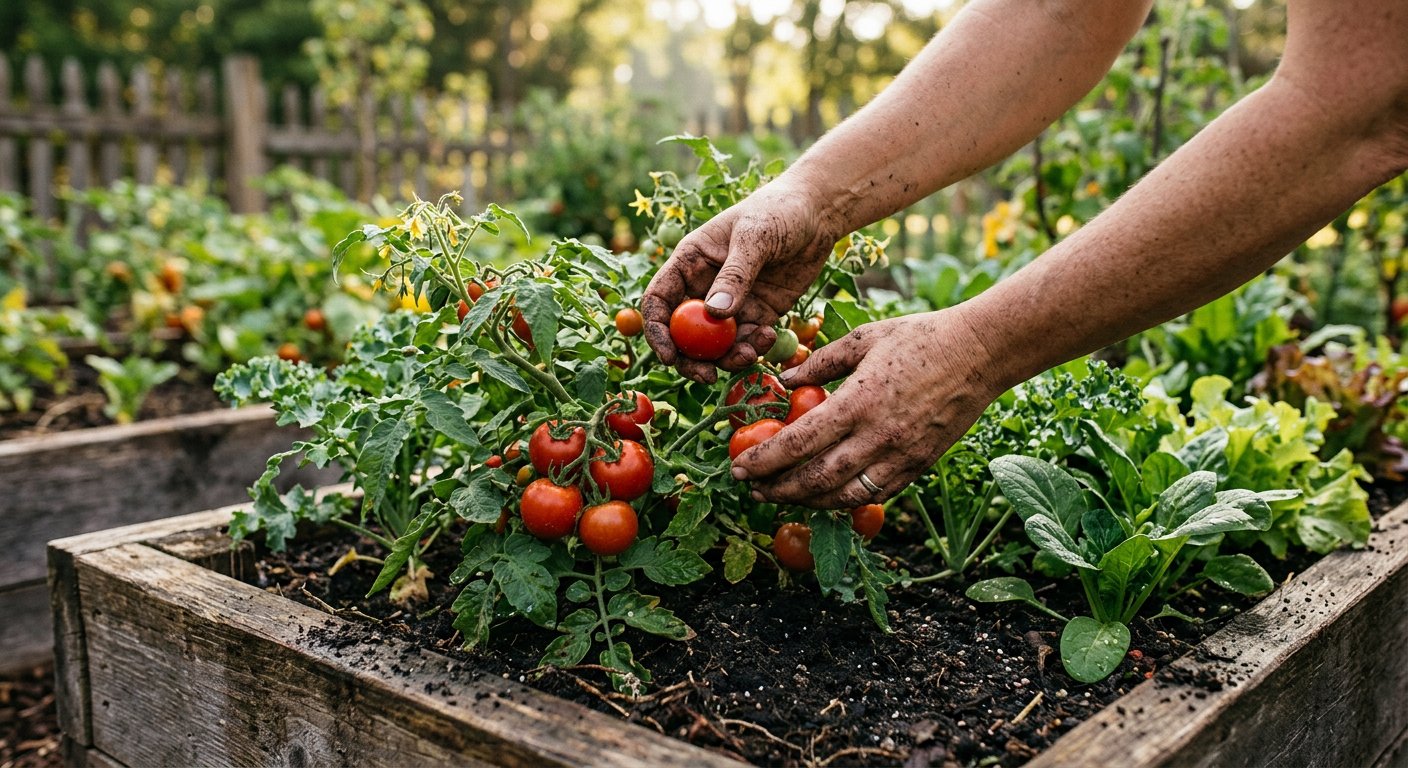
Long-term food storage is a century-old, well-tested practice — used by the LDS Church, aid agencies and the military. The principle is simple: store a backbone of calorie-dense staples that keep for years, then supplement with what you grow and rotate. This guide covers how much to store, of what, and how to preserve food so it keeps.
How much to store: calories first
Plan by calories per person per day, not by "meals". An adult doing off-grid work needs roughly:
| Activity level | kcal / person / day |
|---|---|
| Sedentary | ~2,000 |
| Moderately active | ~2,400 |
| Hard physical work / cold climate | ~3,000 |
The food storage calculator converts your target into per-staple quantities. As a rough guide, a per-person, per-month basic store looks like:
- Grains (wheat, rice, oats, flour): ~18 kg
- Legumes (beans, lentils, chickpeas): ~8 kg
- Fats & oils: ~2 L
- Sugar & sweeteners: ~2.5 kg
- Milk powder: ~2.5 kg
- Salt: ~0.5 kg
That's the caloric backbone. Add canned goods, and — critically — fresh or preserved fruit and vegetables for vitamins and morale. A diet of wheat and beans will keep you alive; it won't keep you healthy or happy.
Preservation methods, ranked by difficulty
| Method | Difficulty | Best for | Shelf life |
|---|---|---|---|
| Drying / dehydrating | Easiest | Fruit, herbs, jerky, tomatoes | 6–12+ months |
| Fermenting | Easy | Cabbage, vegetables, dairy | Months (cool storage) |
| Water-bath canning | Moderate | High-acid: fruit, tomatoes, pickles, jams | 1+ year |
| Pressure canning | Moderate | Low-acid: meat, beans, vegetables, soups | 1–5 years |
| Freezing | Easy (needs power) | Meat, berries, blanched veg | 6–12 months |
| Root cellaring | Site-dependent | Potatoes, carrots, apples, squash | Months |
Storage that actually keeps
- Cool, dark, dry, sealed. Heat, light, moisture and oxygen are the four enemies. A sealed container with an oxygen absorber, stored cool, extends staple life from years to decades.
- Use the right containers. Mylar bags inside food-grade buckets for dry staples; glass jars for canned goods.
- Rotate everything — first in, first out. Date everything and eat the oldest first. A store you never eat from is a store that silently expires.
- Oils and milk powder are the short-lived members of the pantry — buy less, rotate more.
Safety
Botulism from improper home canning is rare but lethal. Always use tested, up-to-date recipes and correct processing times, and pressure-can all low-acid foods. Follow guidance from your national food-safety authority (e.g. USDA/NCHFP in the US).